Source Smart Card Door Locks for Hotels, Homes, and Offices
Find and compare Smart Card Door Lock options for residential, commercial, and hospitality applications. Browse 30 available models featuring fingerprint, password, and key access methods to find the right fit for your project.
Key considerations
Products List


Smart Door Lock Without Handlesmart Main Door Locksmart Lock Door with Camera
$49.00 - $91.00
MOQ: 2 Square Meters


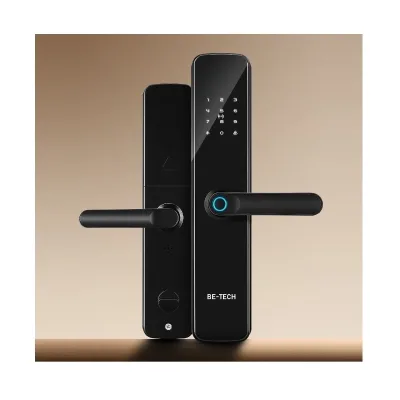
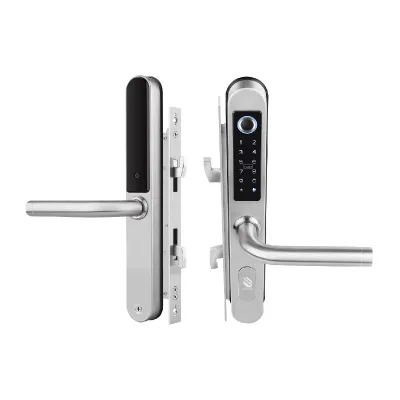


Smart Security Fingerprint Electronic Keyless Card Code Hotel Door Lock
$55.00 - $60.00
MOQ: 50 Pieces


Comprehensive Sourcing Guide
Smart Card Door Lock Sourcing Guide
Sourcing smart card door locks requires a nuanced understanding of the intersection between physical security hardware and digital access management. While the core keyword emphasizes "smart card" technology, the current market landscape for electronic door locks is heavily diversified, with fingerprint, password, key, and APP-based unlocking methods often taking precedence in modern residential and commercial installations. Buyers must recognize that "smart card" functionality is frequently integrated into broader multi-modal systems rather than existing as a standalone feature. Consequently, the procurement strategy must focus on verifying the specific authentication modules included in each unit, ensuring that the lock body, cylinder, and electronic components are compatible with the intended access control infrastructure.
The transition from traditional mechanical locks to smart electronic variants introduces new variables in installation, maintenance, and user experience. Modern electronic locks often rely on rechargeable lithium-ion batteries, cloud data storage, and mobile application integration to provide remote management capabilities. This shift demands that buyers evaluate not just the physical durability of the lock, but also the reliability of its software ecosystem and power management systems. Understanding the specific model numbers and their associated technical specifications is crucial, as variations in door thickness compatibility, backset dimensions, and cylinder security grades can significantly impact the suitability of a product for a given project.
Product Scope and Observed Listing Signals
The observed product listings reveal a diverse range of electronic door locks with varying specifications, indicating a broad market segment rather than a single standardized product. Models such as BZ01, JRM09, GZ02, B09, and BZ03 represent distinct configurations, each potentially tailored to different door types and security requirements. For instance, some listings specify compatibility with aluminum, steel, and wood doors with thicknesses ranging from 35-50mm, while others highlight specific features like square lock body shapes or chrome-plated finishes. This variety suggests that buyers cannot assume uniformity across all "smart" locks and must carefully match product attributes to their specific installation environments.
Price and minimum order quantity (MOQ) ranges further illustrate the variability in the market, with observed prices spanning from $10.26 to $91 and MOQs ranging from 1 to 1000 units. These figures indicate that the market accommodates both small-scale residential upgrades and large-scale commercial deployments. The presence of customization options and graphic design solution capabilities suggests that suppliers are increasingly offering tailored services for B2B clients. Buyers should leverage these signals to identify suppliers who can provide the specific volume and customization levels required for their projects, while remaining cautious of outliers that may indicate non-standard or lower-quality offerings.
Technical Specifications to Verify
Verifying the unlocking mechanisms is a critical first step in the procurement process, as the listed options include fingerprint, password, key, and APP-based access. Some models, such as those associated with the Tuya APP, offer cloud data storage and WiFi connectivity, enabling remote management and real-time access logs. Buyers must confirm whether the specific lock model supports the desired authentication methods, particularly if smart card functionality is a strict requirement. It is essential to distinguish between locks that rely solely on biometric or digital inputs and those that retain traditional key access as a backup, ensuring redundancy in case of power failure or system malfunction.
Door compatibility and physical dimensions are equally important technical considerations. The listed specifications indicate that locks are designed for specific door types, including aluminum, steel, and wood doors, with varying thicknesses and backsets. For example, some models fit doors with a thickness of 35-50mm and a backset of 60mm, while others may have different requirements. Buyers should verify the lock body shape, such as square or mortise designs, and ensure that the product dimensions align with the existing door preparations. Additionally, the material composition, such as aluminum alloy construction, and the finish, like chrome plating, should be assessed for durability and aesthetic compatibility with the surrounding environment.
Compliance and Safety Documentation
Security grade certifications are paramount when selecting electronic door locks, as they directly impact the level of protection provided against forced entry. The listed products mention security grades such as "High Security" and "Grade C," which are critical indicators of the lock cylinder's resistance to picking, drilling, and other attack methods. Buyers should request detailed documentation from suppliers to verify these claims, ensuring that the locks meet the required security standards for their specific application. It is important to note that while these grades are mentioned, buyers must confirm the testing methodologies and independent verification processes used to assign these ratings.
Electrical safety and environmental compliance are also essential aspects of the documentation review. Although specific certifications like CE and RoHS are mentioned in the background information, buyers should not assume that all listed products are fully compliant without explicit confirmation from the supplier. Requesting test reports for electrical safety, battery performance, and environmental impact is crucial, especially for locks that use rechargeable lithium-ion batteries. These documents provide assurance that the products meet international safety standards and do not pose risks to users or the environment during operation and disposal.
Cost Drivers and Commercial Terms
The cost of smart card door locks is influenced by several factors, including the complexity of the unlocking mechanisms, the quality of materials used, and the level of software integration. Models with multiple authentication options, such as fingerprint, password, key, and APP access, typically command higher prices due to the additional components and development costs involved. Buyers should analyze the price range of $10.26 to $91 to understand the value proposition of different models, considering whether the additional features justify the higher cost for their specific needs. It is also important to consider the total cost of ownership, including maintenance, software updates, and potential replacement parts.
Commercial terms, such as minimum order quantities and packaging requirements, play a significant role in the overall procurement strategy. The observed MOQ range of 1 to 1000 units allows for flexibility, but buyers should negotiate terms that align with their inventory management and budget constraints. Packaging options, including cartons and wooden cases, should be evaluated for their ability to protect the products during shipping and storage. Additionally, buyers should inquire about customization options, such as branding or specific design features, and understand how these additions may impact the final cost and lead time.
Supplier Qualification and Quality Control
Evaluating supplier qualifications is essential to ensure the reliability and consistency of the products supplied. Buyers should verify the supplier's manufacturing capabilities, quality control processes, and after-sales support services. The presence of customization options and graphic design capabilities suggests that some suppliers offer value-added services, which can be beneficial for branded projects. However, buyers must conduct due diligence to confirm that these services are delivered with high quality and meet the specified requirements. Requesting samples and conducting factory audits can provide valuable insights into the supplier's operational standards and commitment to quality.
Quality control measures should be integrated into the procurement process to minimize the risk of defects and ensure product performance. Buyers should establish clear quality acceptance criteria, including functional tests for unlocking mechanisms, battery life assessments, and durability checks for the lock body and cylinder. Implementing a rigorous inspection process, such as pre-shipment inspections or third-party quality audits, can help identify and address potential issues before the products reach the end users. Additionally, buyers should maintain open communication with suppliers to address any quality concerns promptly and ensure continuous improvement in product quality.
Long-Term Procurement Checks
Long-term procurement success depends on the ability to monitor product performance and supplier reliability over time. Buyers should establish a system for tracking key performance indicators, such as failure rates, customer feedback, and maintenance costs, to assess the ongoing value of the products. Regular reviews of supplier performance, including delivery times, responsiveness, and issue resolution, are essential to maintaining a strong partnership. By continuously evaluating these factors, buyers can make informed decisions about future orders and identify opportunities for optimization or alternative sourcing.
Adapting to technological advancements and market trends is crucial for staying competitive in the smart lock industry. Buyers should stay informed about emerging technologies, such as improved biometric sensors, enhanced security protocols, and new connectivity options, to ensure that their procurement strategies remain relevant. Engaging with suppliers to discuss future product developments and potential collaborations can provide early access to innovative solutions and help buyers stay ahead of the curve. By maintaining a proactive approach to procurement, buyers can secure a reliable supply of high-quality smart card door locks that meet their evolving security needs.
FAQs
What door thickness is compatible with these smart card door locks?
These locks fit doors with a thickness between 35mm and 50mm. This range covers standard residential and light commercial door frames. Verify your specific door measurement before ordering to ensure the mortise mechanism aligns correctly with the door edge.
How do these smart card door locks connect to a mobile app?
The locks connect via WiFi and are managed through the Tuya APP. This allows users to control access remotely and monitor entry logs. The system supports cloud options for data storage, enabling convenient management from a smartphone without local hardware.
What materials are used in the construction of these door locks?
The lock body is constructed from aluminum alloy, providing a balance of durability and weight. The finish is chrome-plated, which offers resistance to corrosion and a modern aesthetic. This material choice is suitable for both indoor and protected outdoor applications.
Can these smart card door locks be customized for specific projects?
Yes, customization is available for these products. Suppliers can accommodate specific design requirements or branding needs. This flexibility allows buyers to tailor the lock appearance or functionality to match their project specifications and architectural style.
What is the standard backset dimension for these mortise locks?
The standard backset for these locks is 60mm. This measurement refers to the distance from the door edge to the center of the lock cylinder. Ensuring your door has a compatible backset is critical for proper installation and secure locking performance.
Which unlock methods are supported by these electronic door locks?
These locks support multiple unlock methods including fingerprint, password, key, and app access. This multi-factor approach provides flexibility for different users and situations. The combination of biometric and digital access enhances security while maintaining convenience for daily use.
What is the typical packaging for shipping these smart door locks?
The locks are typically packed in cartons for standard shipping. Some models may be shipped in wooden cases for added protection during long-distance transport. Proper packaging ensures the electronic components and mechanical parts remain secure and undamaged during transit.